





Toronto's Sidewalk Snow Clearing Bylaw: What You Need to Know
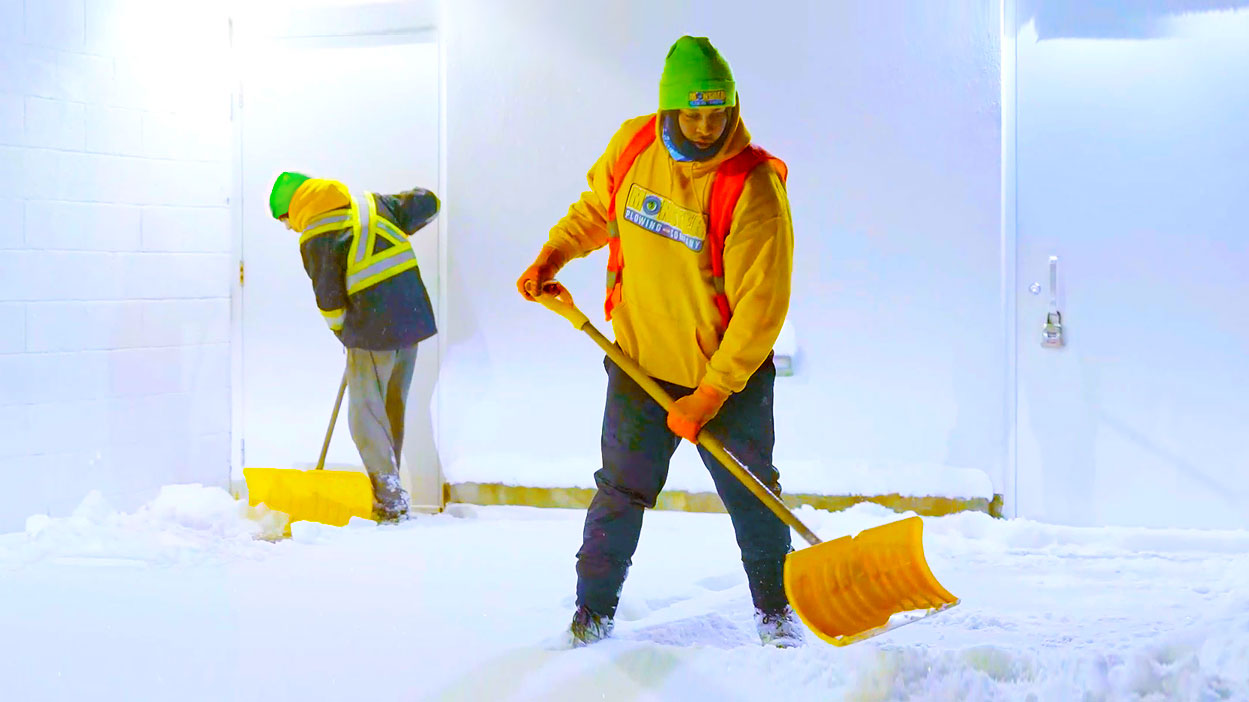
Toronto has a clear rule about snow removal that many property owners either don't know about or underestimate: you must clear the sidewalk adjacent to your property within 12 hours after a snowfall ends.
This isn't a suggestion. It's a municipal bylaw, and non-compliance can result in fines, city-ordered clearing at your expense, and — if someone is injured on your uncleared sidewalk — a strengthened case against you in a slip-and-fall lawsuit.
This guide explains the bylaw in detail: what's required, who it applies to, the penalties for ignoring it, and how to make sure you never miss the deadline.
The 12-Hour Rule Explained
Under Toronto Municipal Code Chapter 719 (Pollution, Snow and Ice Removal), property owners and occupants are required to clear snow and ice from sidewalks adjacent to their property within 12 hours after a snowfall ends.
Key details:
- The clock starts when the snow stops — not when the snowfall begins. If snow falls from 2 AM to 6 AM, you have until 6 PM to clear the sidewalk.
- The requirement applies to the full width of the sidewalk — you can't just shovel a narrow path. The cleared area should allow safe pedestrian passage, including for people using wheelchairs, strollers, or mobility aids.
- Ice must also be addressed — the bylaw covers both snow and ice. If the sidewalk is icy after you clear the snow, you need to apply an ice-melting product.
- It applies to all property types — residential, commercial, industrial, and institutional. If there's a sidewalk next to your property, this bylaw applies to you.
What Areas Must Be Cleared
The bylaw specifically requires clearing of:
- Sidewalks adjacent to the property — the public sidewalk that runs along your property frontage
- Pedestrian walkways and paths on the property that are used for public access
- Steps and ramps leading to or from the sidewalk
Note that this is separate from your obligations under the Occupiers' Liability Act, which covers all areas of your property where people might walk — including driveways, parking lots, entrances, and internal walkways. The bylaw is specifically about the public sidewalk; the OLA covers everything else.
Where the City Does (and Doesn't) Clear Sidewalks
Toronto has a Sidewalk Winter Maintenance Program that provides mechanical sidewalk plowing in certain areas. However, this program does not cover every street in the city.
Where the City Clears
The City of Toronto provides sidewalk plowing on:
- Major arterial roads — streets like Yonge, Bloor, Dundas, Queen, King, and similar high-traffic corridors
- Transit routes — sidewalks along TTC surface routes
- Priority areas — near hospitals, seniors' residences, schools, and other high-vulnerability locations
- Designated accessible routes
Even on streets where the City clears sidewalks, the municipal service only covers the sidewalk itself. Property owners are still responsible for clearing walkways from their building entrance to the sidewalk, driveways, parking areas, and any other areas on their property.
Where the City Does NOT Clear
On most residential side streets, the City does not clear sidewalks. This means the property owner is solely responsible for clearing the sidewalk adjacent to their property. This is where the 12-hour bylaw is most directly enforced.
You can check whether your street is included in the City's sidewalk plowing program on the City of Toronto Winter Operations webpage or by calling 311.
Fines and Enforcement
Non-compliance with the sidewalk clearing bylaw can result in:
Municipal Fines
Toronto bylaw enforcement officers can issue tickets to property owners who fail to clear their sidewalks within the 12-hour window. Fines vary but can range from $150 to $500+ per occurrence.
City Clearing at Your Expense
If the City determines that a sidewalk hasn't been cleared and poses a safety hazard, it can dispatch crews to clear the sidewalk and bill the property owner. These bills typically range from $200 to $500+, depending on the scope of work. The charge is added to your property tax account if unpaid.
Repeat Offenders
Properties with a history of non-compliance may receive more aggressive enforcement, including expedited city clearing and escalated fines.
Liability Implications
Beyond the direct fines, a bylaw violation creates powerful evidence in a slip-and-fall lawsuit. If someone is injured on your uncleared sidewalk and you've violated the bylaw, the plaintiff's lawyer will argue that you failed to meet even the minimum legal standard set by the city. This makes it very difficult to argue that you exercised "reasonable care" under the Occupiers' Liability Act.
Commercial vs Residential Obligations
Commercial Properties
Commercial property owners face the same 12-hour bylaw requirement, but the practical stakes are higher:
- Higher foot traffic means greater exposure to slip-and-fall claims
- Customer and employee safety directly affects business operations
- Larger frontages mean more sidewalk to clear
- Insurance requirements often mandate professional snow removal with documentation
- Multiple entrances and loading areas must also be maintained (under OLA, not the bylaw)
For commercial properties, the 12-hour bylaw is just the starting point. Most property managers aim to have sidewalks and all entrances cleared well before business hours — which means service needs to happen in the early morning hours after an overnight snowfall.
Monster's Priority Package guarantees service completion before 5:59 AM, ensuring commercial properties are fully cleared and deiced before employees, customers, or tenants arrive. Read our guide on what to look for in a commercial contract for more details.
Residential Properties
Residential property owners have the same 12-hour obligation but often face different challenges:
- No on-site staff to monitor conditions and respond
- Vacation or travel can mean the property is unattended during a storm
- Health limitations may prevent homeowners from shoveling
- Rental properties create confusion about who is responsible
For residential properties, a seasonal snow removal contract eliminates all of these concerns. The service triggers automatically, regardless of whether you're home, healthy, or aware of the snowfall.
How Monster's Automatic Dispatch Ensures Compliance
The biggest risk with the 12-hour rule isn't ignorance — it's timing. A snowfall that ends at 3 AM means your deadline is 3 PM the next day. That seems generous until you realize that the real goal isn't just meeting the deadline — it's having a clear, safe sidewalk before people start walking on it at 7 AM.
Monster Plowing Company's operations model is built around this reality:
- 24/7 weather monitoring — Our operations team tracks weather systems before they arrive, during the event, and after
- Automatic dispatch — Crews are deployed based on conditions, not client phone calls. When snow starts accumulating (trigger: 1 cm), trucks roll.
- During-event service — For longer snowfall events, Monster sends trucks during the storm to keep accumulation manageable, not just after the snow stops
- Post-event completion — Final clearing and Green Ice Melter application happen as soon as the snowfall ends
- Priority Package guarantee — Service complete before 5:59 AM, well ahead of the 12-hour window and before most foot traffic
- GPS verification — Every service visit is GPS-tracked and timestamped, creating a record that proves bylaw compliance
This means that for a snowfall ending at 3 AM, a Monster Priority Package client has their property fully cleared and deiced by 5:59 AM — 9 hours before the bylaw deadline and before the morning commute begins.
What About Freezing Rain and Ice Events?
The bylaw addresses both snow and ice, but freezing rain presents unique challenges:
- No accumulation threshold — Freezing rain creates dangerous conditions even in small amounts
- Harder to detect — Black ice forms without visible accumulation
- Requires deicing, not plowing — A plow doesn't fix an ice sheet
Many snow removal contracts — especially per-visit contracts — don't cover ice events at all, or charge them as extras. This creates a dangerous gap in both your safety and your bylaw compliance.
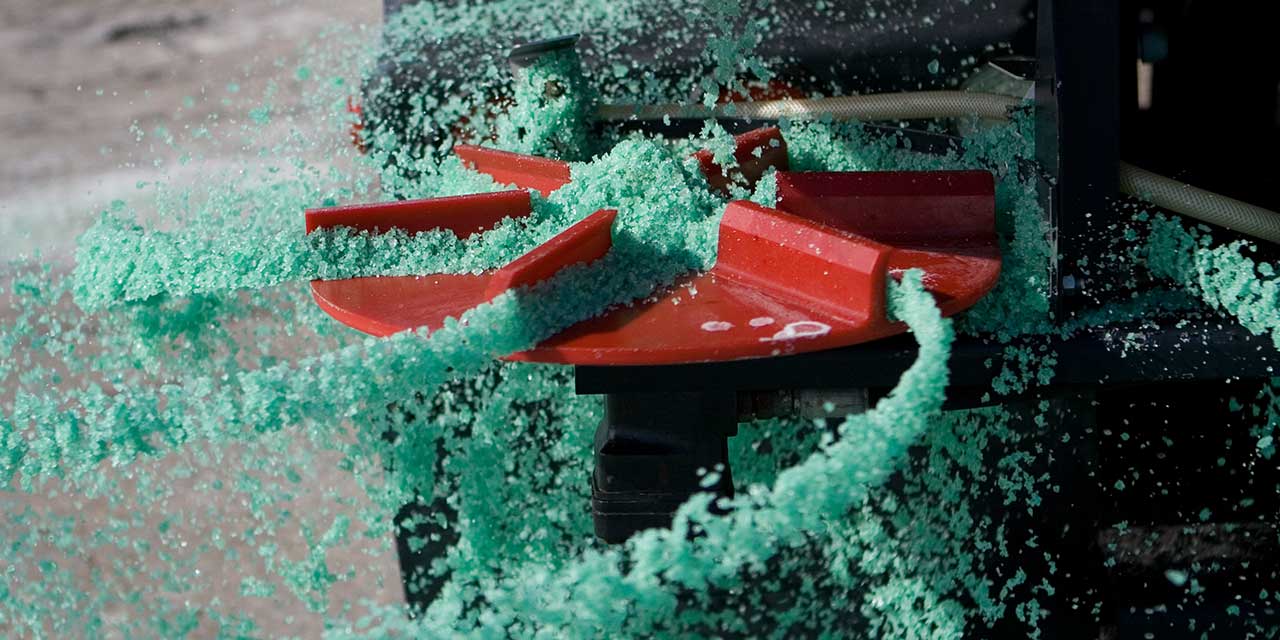
Monster's flat-rate seasonal contracts include all ice events. Our snowfighters apply Green Ice Melter — an eco-friendly deicing product that's safer for concrete, vegetation, and pets than conventional road salt — after every service visit and as a standalone application during ice events. This is included in the contract price with no additional charges.
Tips for Staying Compliant
Whether you hire a professional service or handle snow removal yourself, here are practical tips for meeting the 12-hour bylaw:
- Know your deadline — Monitor weather reports and note when snowfall is expected to end. Your 12-hour window starts then.
- Clear early — Don't wait until hour 11. Clear as soon as possible after snowfall ends.
- Address ice separately — Clearing snow isn't enough. Apply ice melter to prevent re-freezing.
- Clear the full width — A narrow shoveled path doesn't meet the bylaw. Clear the full sidewalk for accessibility.
- Document your work — Take a timestamped photo after clearing. If a complaint is filed, you'll have evidence.
- Have a backup plan — If you're away, injured, or unable to clear snow, who handles it? A seasonal contract eliminates this problem.
Get Ahead of the Bylaw This Season
The easiest way to guarantee bylaw compliance — every storm, every time — is a flat-rate seasonal contract with automatic dispatch. Monster Plowing Company has been keeping Toronto properties clear and compliant for over 18 years, with 90+ plow trucks, 200+ snowfighters, and GPS-tracked service on every visit.
Our Complete Package and Priority Package both ensure full bylaw compliance. The Priority Package adds a guaranteed completion time of 5:59 AM — perfect for commercial properties and landlords who need properties cleared before tenants and customers arrive.
Contact Monster Plowing Company for a free quote on the 2026-27 season. Or check our FAQ page for answers to common questions about our service, pricing, and winter maintenance.


